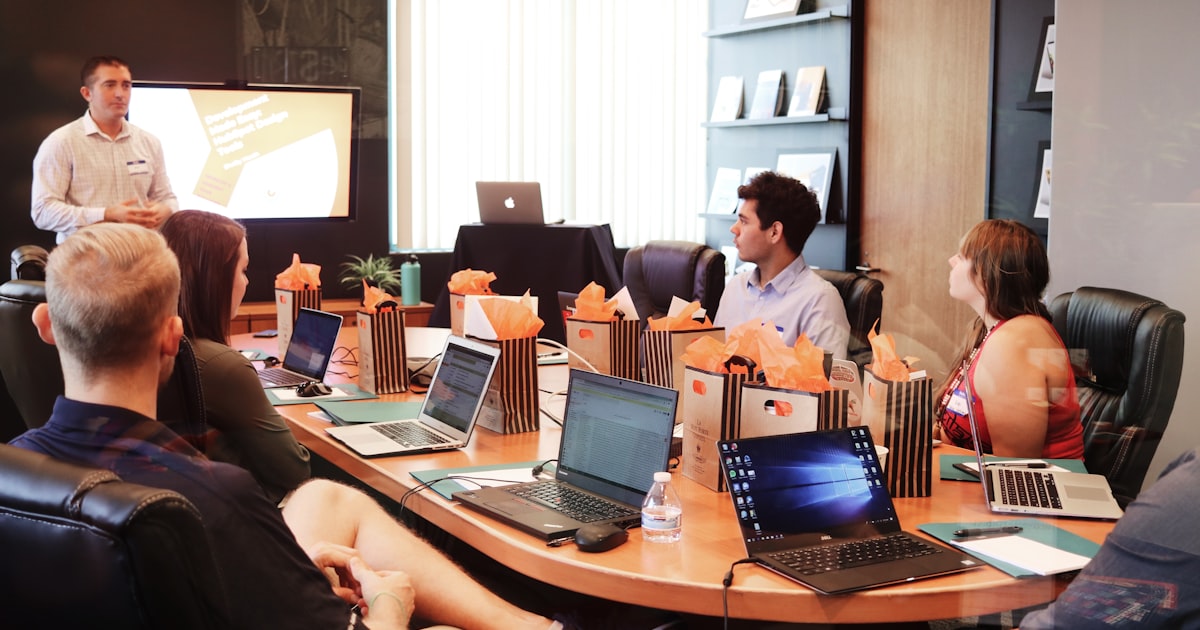
Conducting an effective job interview is a major strategic priority for companies in 2026. This pivotal stage of the recruitment process calls for rigorous preparation and a structured methodology. A well-run interview lets you precisely assess a candidate's technical skills, soft skills, and cultural fit. From in-depth resume analysis to targeted questions and an appealing presentation of the company, discover the keys to optimizing your interviews and hiring the best talent in a competitive job market.
Preparation: The Foundation of a Successful Interview
The preparation phase determines the quality of the interview. Start by carefully analyzing the candidate's resume, identifying relevant experience, career transitions, and skills acquired. Gather all available information from their LinkedIn profile, references, and any portfolio. At the same time, clarify the job requirements with the relevant manager: essential technical skills, desired soft skills, and specific challenges of the role. Prepare an objective evaluation grid covering the key criteria to assess. Draft a list of open-ended and situational questions tailored to the candidate's profile. This structured preparation will let you run a smooth interview, dig into the strategic points, and avoid hiring bias.
Analyzing the Candidate's Profile
Break down the candidate's career path, identifying progressions, gaps in employment, and industry changes. Note points that need clarifying: vague responsibilities, short tenures, or skills to verify. Identify quantifiable achievements and responsibilities held. This in-depth analysis lets you prepare targeted questions that will reveal the candidate's true value and their ability to meet the challenges of the role.
Defining Evaluation Criteria
Work with the manager to establish a precise evaluation grid covering technical skills, behavioral traits, and cultural fit. Weight each criterion according to its importance for the role. Define observable, measurable indicators to limit subjectivity. This standardized grid makes it easier to compare candidates and structures your decision-making. It also ensures a fair evaluation that complies with legal requirements.
Conducting the Interview with Method and Empathy
Start the interview with a warm welcome that puts the candidate at ease. Introduce yourself briefly and explain how the interview will unfold and how long it will take. Begin with open-ended questions about their background to let the candidate express themselves naturally. Then go deeper with behavioral questions (using the STAR method) and concrete scenarios related to the role. Alternate between technical questions and questions about motivation to get a complete picture. Practice active listening: rephrase, dig deeper into superficial answers, and observe non-verbal communication. Then present the company, its values, and the role in an appealing but realistic way. Always leave room for the candidate to ask questions: what they ask often reveals their priorities and level of interest.
Strategic Questions to Ask
Favor open-ended questions that reveal genuine personality and skills. Use the STAR method to explore past situations: "Describe a complex situation you had to manage." Ask about failures and lessons learned to assess the candidate's capacity for self-reflection. Test problem-solving skills with practical case studies. Avoid closed-ended or discriminatory questions. Vary your angles to get a well-rounded evaluation.
A Balanced Presentation of the Role
Present the main responsibilities, the challenges to tackle, and growth prospects without overselling the role. Be honest about the constraints and company culture to avoid future disappointment. Share concrete examples of day-to-day life and the team. This transparency attracts candidates who are genuinely aligned with your values and reduces turnover. Let the candidate picture themselves in the role by asking their own questions about how they see it.
Evaluation and Post-Interview Follow-Up
Immediately after the interview, fill out your evaluation grid while your impressions are still fresh. Note key answers, confirmed skills, and areas of uncertainty factually. Objectively compare the candidate's profile against the criteria defined during preparation. Share your observations with the manager and other people involved in the process. Quickly organize a debrief meeting to compare perceptions and reach a collective decision. Then get back to the candidate within the timeframe announced, whether or not they're moving forward. Constructive feedback to candidates who aren't selected strengthens your employer brand. For selected candidates, prepare an attractive, personalized offer that addresses the expectations they shared during the interview.
An Objective Evaluation Grid
Fill out your grid systematically right after the interview, scoring each criterion on a defined scale. Add factual comments and specific examples to justify your ratings. Avoid snap judgments based on the halo effect or unconscious bias. This structured documentation makes it easier to compare candidates and serves as a reference during group discussions. It also protects the company in case of a dispute.
Candidate Communication and Feedback
Stick strictly to the response times you've announced to keep candidates engaged. Personalize your rejections by briefly explaining the reasons and highlighting the candidate's positive qualities. This respectful approach protects your employer image and keeps your talent pool warm. For selected candidates, prepare a clear offer covering everything discussed during the interview.
Conclusion
Conducting an effective job interview in 2026 rests on rigorous preparation, methodical execution, and objective evaluation. By structuring your approach and developing your interviewing skills, you'll optimize your hires and strengthen your employer brand. Adopt these best practices now to attract and select the talent that will make a difference in your organization.